Bringing home a new puppy is an exciting and emotional experience. One of the very first decisions you’ll make as a pet parent is choosing a name, and it’s more important than it may seem.
A puppy’s name is not just a label; it becomes a key part of training, bonding, and communication throughout their life.
With so many options available, selecting the perfect name can feel overwhelming. These best puppy naming tips will help you choose a name that’s meaningful, practical, and perfectly suited to your furry friend.
1. Keep the Name Short and Simple

Short names are easier for puppies to recognize and respond to. Ideally, choose a name with one or two syllables, such as Bella, Milo, Coco, or Max.
Short names are clearer when spoken aloud and are especially helpful during training sessions. If you prefer a longer name, make sure it has a simple nickname you can use daily.
2. Choose a Name That Sounds Distinct

Puppies respond better to names with clear consonant sounds, especially those ending in a vowel or sharp syllable (like “ee” or “o”).
Names such as Daisy, Leo, or Rocky tend to grab a puppy’s attention more effectively. Avoid names that sound too similar to common commands like “Sit,” “Stay,” or “No,” as this may confuse your puppy during training.
3. Match the Name to Your Puppy’s Personality

Spend a few days observing your puppy before settling on a name. Is your pup playful, calm, curious, or mischievous? Personality-inspired names often feel more natural and meaningful.
For example, a lively puppy might suit a name like Sparky or Zoomie, while a gentle and cuddly pup might fit names like Luna or Teddy.
4. Consider Appearance and Breed
Your puppy’s size, coat color, markings, or breed traits can be great sources of inspiration.
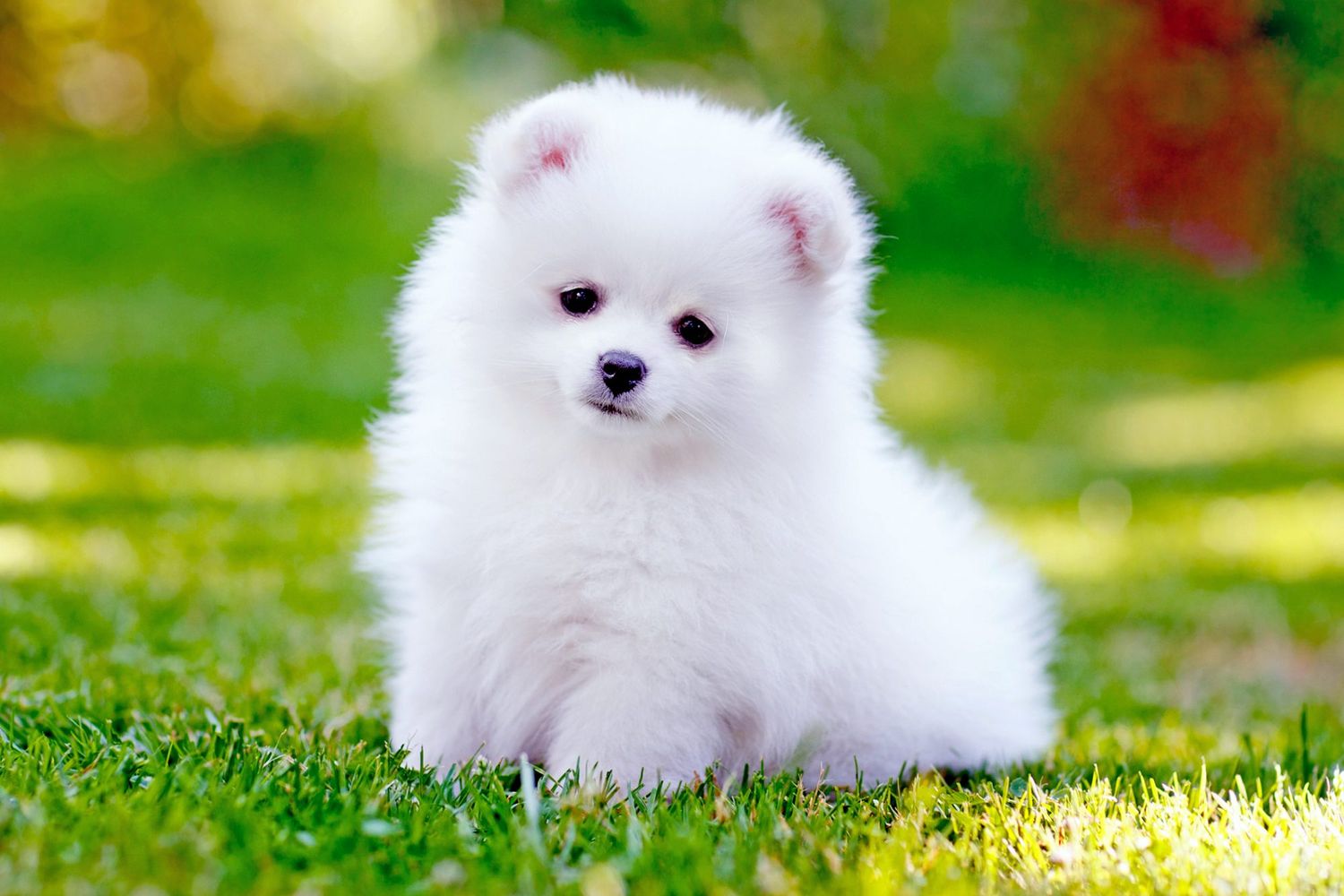
A fluffy white puppy might suit names like Snowy or Pearl, while a strong, large-breed puppy could carry names like Storm or Athena. However, remember that puppies grow—what seems tiny now may become quite big later.
5. Pick a Name You’ll Love Long-Term
You’ll be saying your puppy’s name many times every day, for years to come. Make sure it’s a name you feel comfortable calling out in public places like parks or veterinary clinics.
Trendy or joke names may seem fun at first, but can lose their charm over time. Choose something timeless that you’ll still enjoy using as your puppy matures.
6. Involve Family Members
If multiple people will be caring for the puppy, it’s a good idea to involve everyone in the naming process. This avoids confusion and ensures everyone uses the same name consistently.
You can create a shortlist and test each name for a day to see which one feels right and gets the best response from your puppy.
7. Avoid Frequently Used Household Words
Names that sound like everyday words can confuse your puppy. For instance, names like “Kit” (sounds like “sit”) or “Bo” (sounds like “no”) may interfere with training.
The clearer and more unique the name, the easier it will be for your puppy to understand when you’re calling them.
8. Test the Name Out Loud
Before finalizing, say the name out loud several times in different tones happy, firm, and excited. A good puppy name should feel natural in all situations, whether you’re praising your dog or calling them back from a distance.
9. Trust Your Instincts
At the end of the day, the best puppy name is one that feels right to you. Trust your instincts and don’t rush the decision. Once chosen, use the name consistently with positive reinforcement so your puppy quickly learns to recognize and love it.
Final Thoughts
Choosing the perfect puppy name is a joyful part of welcoming your new companion home. By keeping the name simple, meaningful, and practical, you’ll set the foundation for effective communication and a strong bond.
Take your time, enjoy the process, and soon your puppy’s name will feel just as special as they are.